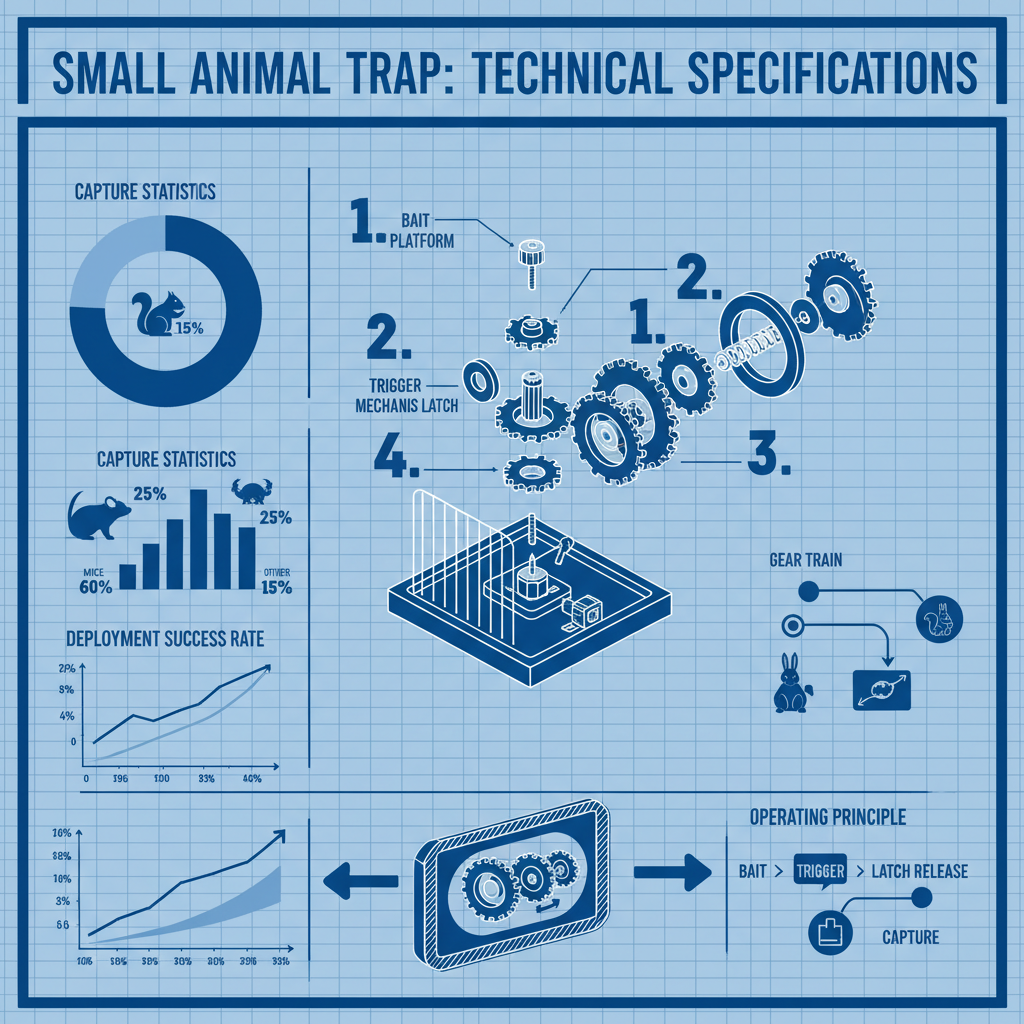
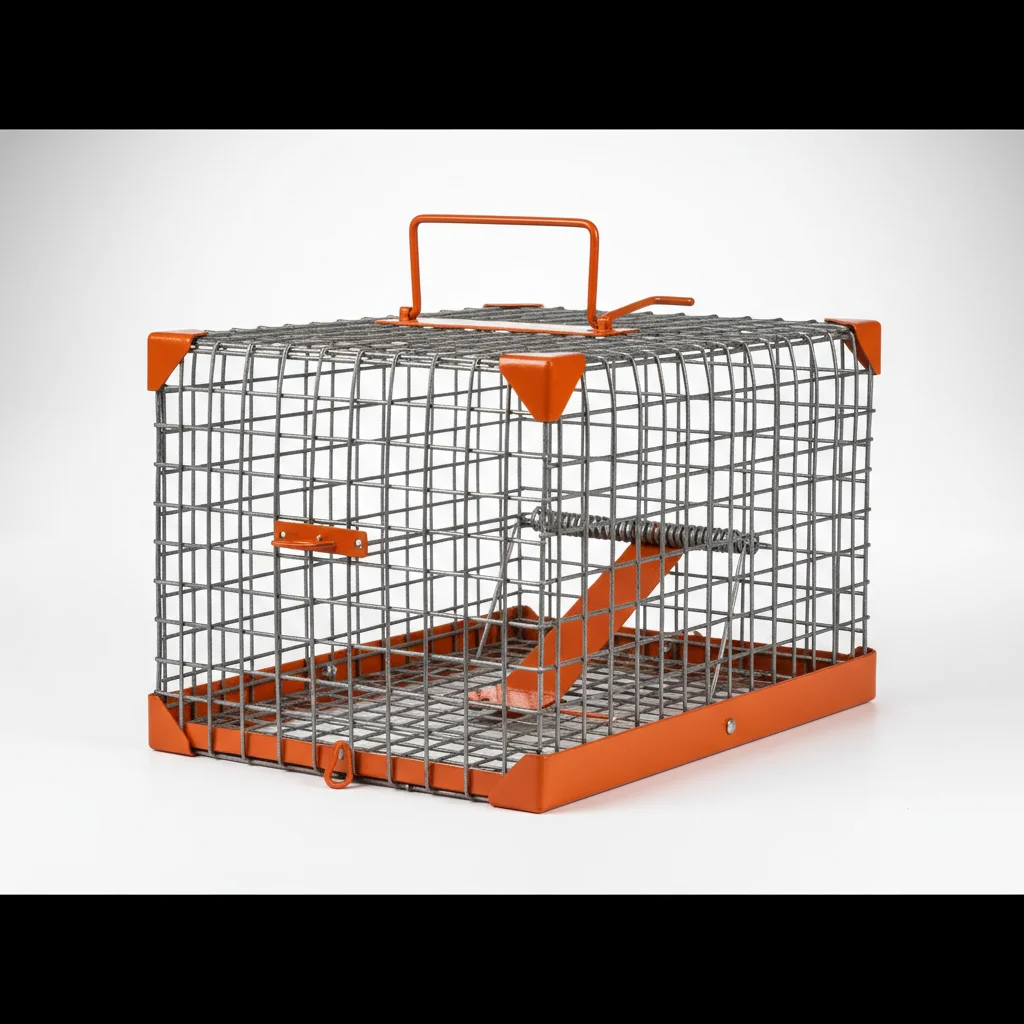
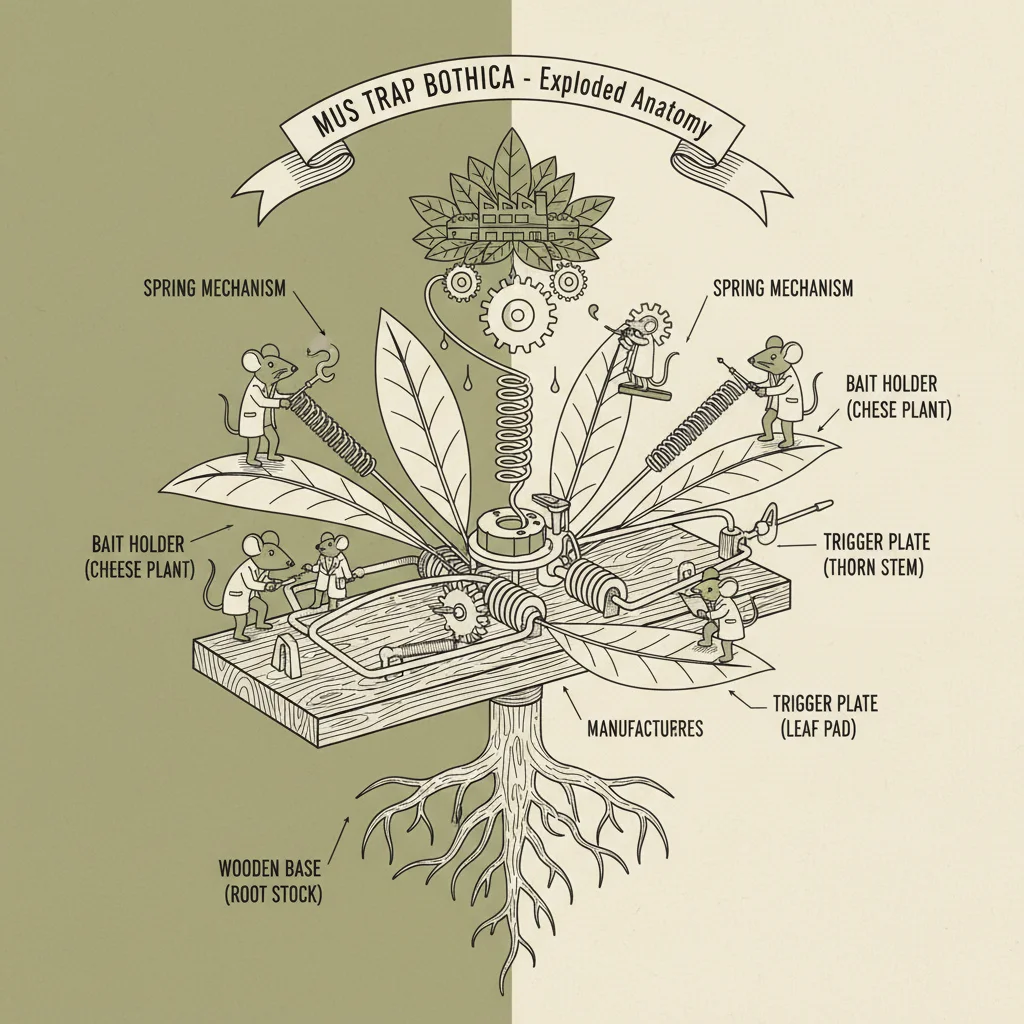
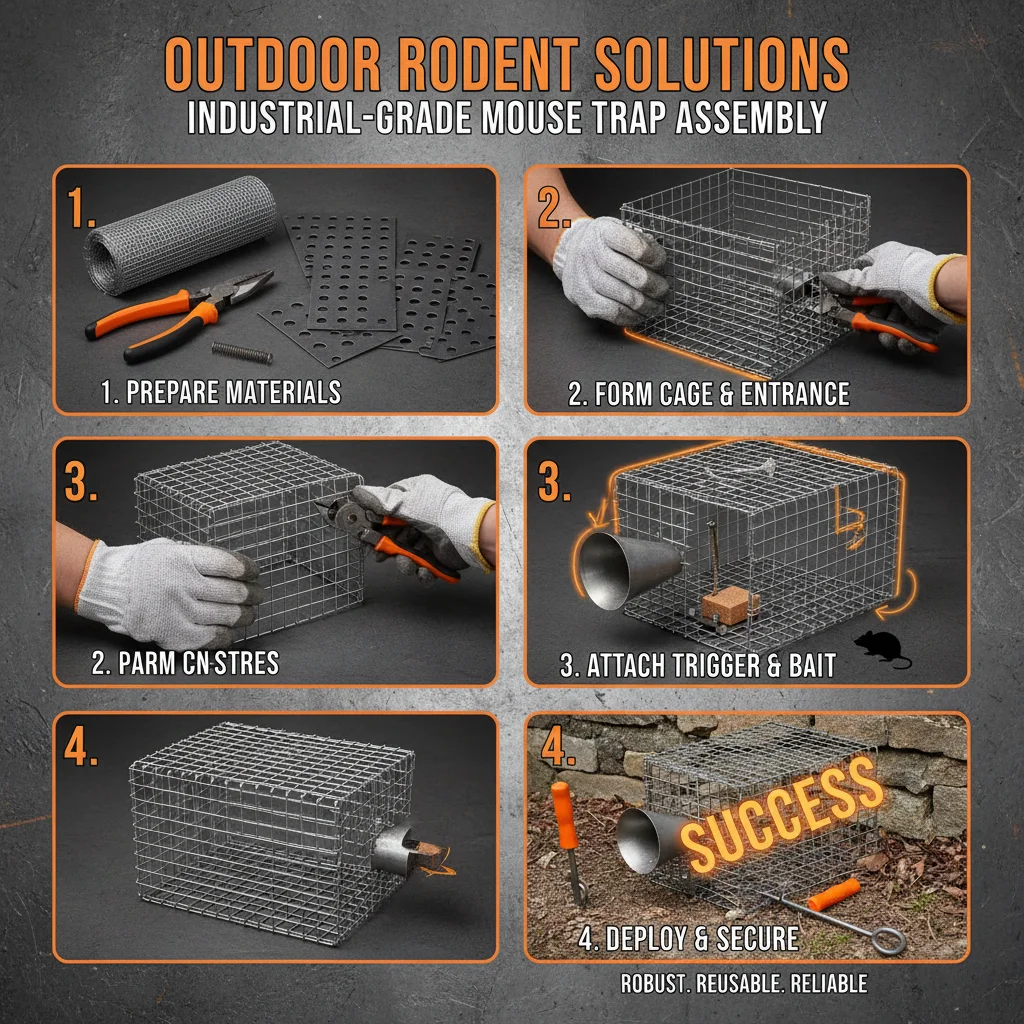
Small animal traps are crucial tools in a variety of sectors, ranging from wildlife management and pest control to public health and scientific research. Globally, the need for effective and humane methods of managing animal populations is constantly increasing due to factors like urbanization, agricultural expansion, and the spread of invasive species. Understanding the principles behind a well-designed small animal trap allows for targeted solutions to these challenges, minimizing risks to both humans and animals.
The importance of the small animal trap extends beyond simply capturing animals; it’s about responsible population control, disease prevention, and ecosystem preservation. In many regions, outbreaks of zoonotic diseases (diseases transmitted from animals to humans) are directly linked to unchecked animal populations. A correctly implemented trapping strategy, utilizing a robust small animal trap, can be a vital component of public health infrastructure.
Furthermore, advancements in trap design are focusing on creating more humane and species-specific solutions. This emphasis on animal welfare is driving innovation and shaping regulations worldwide, making a detailed understanding of various small animal trap technologies increasingly vital for professionals in related fields.
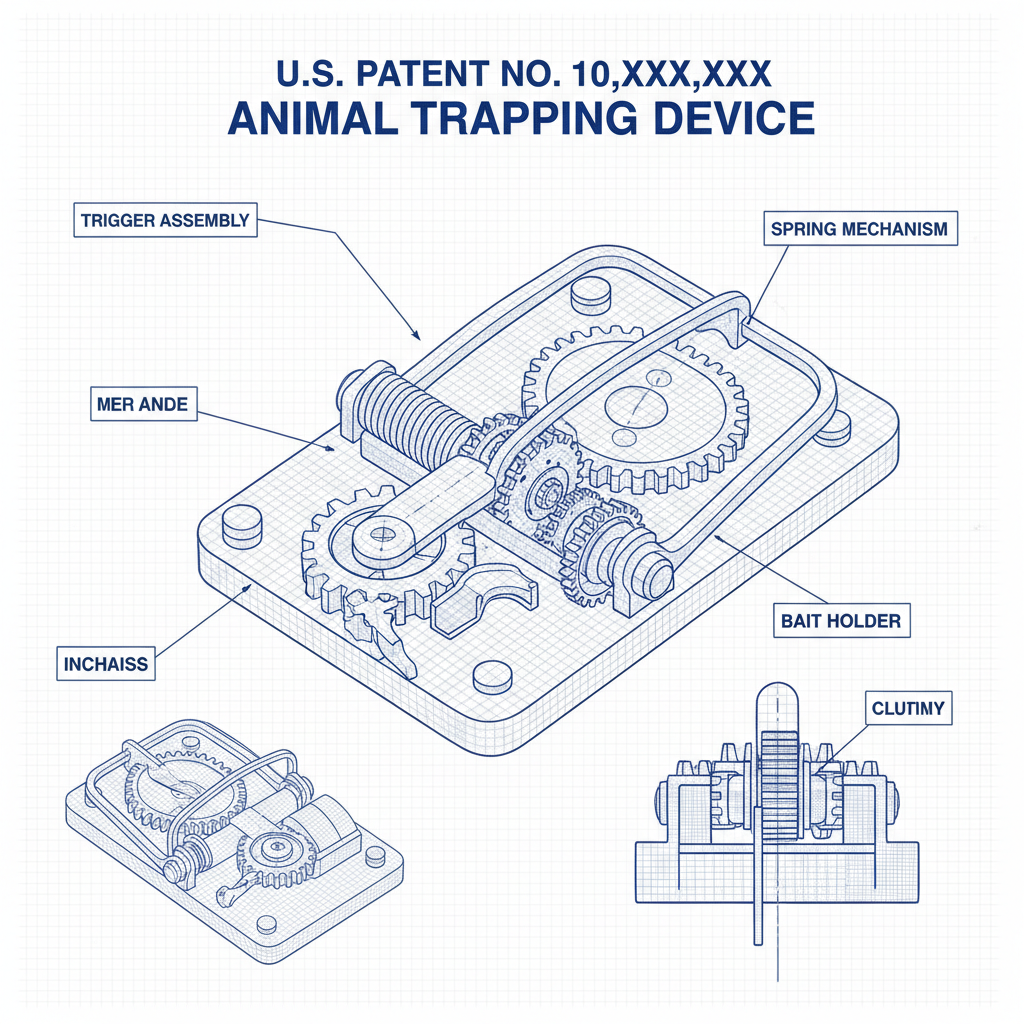
Introduction to Small Animal Traps
The field of small animal trapping is incredibly diverse, encompassing techniques and technologies tailored to specific species and environments. A well-considered small animal trap isn’t merely a device; it’s a component of a larger management strategy, requiring careful planning and ethical considerations. Effective trapping demands an understanding of animal behavior, local regulations, and the potential impact on the ecosystem.
From simple foothold traps to sophisticated live-capture systems, the evolution of the small animal trap reflects a growing awareness of animal welfare and the need for targeted interventions. Modern designs often incorporate features to minimize stress and injury to captured animals, while increasing the selectivity of the trap to avoid unintended captures.
Defining Small Animal Traps
A small animal trap is generally defined as a device designed to capture animals that are typically smaller than medium-sized mammals, encompassing rodents, rabbits, birds, reptiles, and even certain insects. The primary purpose can range from removing nuisance pests from residential areas to collecting specimens for scientific research or controlling populations for conservation purposes.
The connection to modern industry lies in the need for specialized equipment capable of handling these tasks efficiently and ethically. Manufacturers are responding with increasingly sophisticated designs that incorporate materials science, engineering principles, and a commitment to animal welfare. This has created a niche market focused on producing high-quality small animal trap solutions.
In the humanitarian sector, small animal traps play a vital role in disease control. By capturing reservoir species for zoonotic diseases, public health officials can monitor and manage outbreaks more effectively. This preventative approach is often more cost-effective and sustainable than reactive measures.
Key Factors in Trap Effectiveness
Several critical factors determine the effectiveness of any small animal trap. Durability is paramount; traps must withstand environmental conditions and repeated use without compromising their functionality. Scalability refers to the ability to adapt the trapping strategy to different population sizes and geographic areas, ensuring a targeted and efficient approach.
Cost efficiency is another significant consideration, particularly for large-scale operations. While investing in high-quality traps can be more expensive upfront, the long-term benefits – reduced maintenance, increased capture rates, and improved animal welfare – often outweigh the initial cost. Selectivity, the ability to capture target species while minimizing bycatch, is crucial for ethical and conservation purposes.
Finally, ease of use is essential for widespread adoption. A trap that is difficult to set, deploy, or maintain will likely be underutilized, reducing its overall effectiveness. Intuitive design and clear instructions are vital for ensuring that individuals with varying levels of experience can successfully implement a trapping program.
Global Applications and Use Cases
The applications of a small animal trap are truly global, addressing diverse challenges across numerous sectors. In agricultural zones, traps are used to control rodent populations that damage crops and contaminate food supplies. In urban areas, they help manage nuisance wildlife, such as raccoons and opossums, that can pose health risks and cause property damage.
In post-disaster relief operations, trapping can be utilized to monitor and control disease vectors, preventing outbreaks in vulnerable populations. For example, following a flood, an increase in rodent populations can lead to a surge in leptospirosis cases. Effective trapping programs can mitigate this risk.
Remote industrial zones often rely on trapping to manage animal populations that interfere with operations or pose safety hazards. Conservation organizations employ traps for wildlife monitoring, population studies, and the relocation of endangered species. Researchers use them to capture animals for tagging and tracking purposes, gathering valuable data on animal behavior and ecology.
Small Animal Trap Method Comparison
Advantages and Long-Term Value
Investing in a reliable small animal trap delivers tangible benefits, starting with cost savings. Effective pest control reduces damage to property and crops, minimizing financial losses. Furthermore, the use of humane traps promotes sustainability by preventing unnecessary suffering and preserving biodiversity.
The social impact is significant, as controlling disease vectors protects public health and enhances quality of life. A robust trapping program builds trust within communities by demonstrating a commitment to responsible environmental stewardship. The reliability of modern traps, built with durable materials and precise engineering, ensures long-term performance and minimizes the need for frequent replacements.
Future Trends and Innovations
The future of small animal trap technology is being shaped by several key trends. Smart traps, equipped with sensors and connectivity, are emerging, allowing for remote monitoring, automated data collection, and targeted interventions. The integration of artificial intelligence (AI) is enabling traps to identify and selectively capture target species with greater accuracy.
Sustainable materials are gaining prominence, with manufacturers exploring biodegradable plastics and recycled metals to reduce the environmental footprint of trapping operations. Furthermore, there is a growing emphasis on developing non-lethal trapping methods that prioritize animal welfare and ecosystem preservation.
Challenges and Solutions
Despite advancements, challenges remain in the field of small animal trap implementation. Bycatch, the unintended capture of non-target species, is a persistent concern. Solutions include improving trap selectivity through design modifications and utilizing attractants specific to the target species.
Resistance to traps, where animals learn to avoid them, can reduce effectiveness over time. Rotating trap types, changing bait, and employing strategic placement can help overcome this challenge. Maintaining public acceptance and addressing ethical concerns require transparent communication, responsible trapping practices, and a commitment to animal welfare.
Regulatory hurdles and varying legal frameworks across different regions can complicate trapping operations. Collaborating with local authorities, adhering to best practices, and advocating for science-based regulations are essential for ensuring the long-term sustainability of trapping programs.
Summary of Key Small Animal Trap Challenges and Solutions
| Challenge |
Impact |
Proposed Solution |
Implementation Cost (1-10) |
| Bycatch |
Unintended harm to non-target species |
Improved trap selectivity & specific attractants |
6 |
| Trap Resistance |
Reduced trapping efficiency |
Trap rotation, bait variation, strategic placement |
4 |
| Regulatory Complexity |
Operational delays & legal issues |
Collaboration with authorities & adherence to best practices |
7 |
| Public Perception |
Negative public opinion & opposition |
Transparent communication & ethical trapping practices |
5 |
| Material Durability |
Frequent trap replacement & increased costs |
Use of high-quality, corrosion-resistant materials |
8 |
| Data Collection |
Lack of information for program evaluation |
Implementation of smart traps with data logging capabilities |
9 |
FAQS
When considering humane trapping, live-capture traps are generally the most recommended. These traps allow animals to be caught without physical harm, enabling their relocation. However, it's crucial to regularly check these traps to minimize stress. Avoid traps with sharp edges or mechanisms that can cause injury. The best option will depend on the species you're targeting and the local regulations regarding trapping. small animal trap providers can offer expert advice.
Regular monitoring is paramount. Traps should be checked at least twice a day – once in the morning and again in the evening. This minimizes the stress and exposure to the elements for any captured animal. Prolonged confinement can lead to dehydration, starvation, or increased vulnerability to predators. Promptly check a small animal trap to ensure a humane outcome.
The most effective bait depends on the specific rodent species, but generally, peanut butter, seeds, and nuts are excellent choices. Their strong scent is attractive, and the texture is easy for rodents to consume. For mice, use small amounts of bait; for rats, a larger quantity may be necessary. Always consider local regulations regarding bait usage. small animal trap success is often linked to proper bait selection.
Yes, absolutely. Trapping regulations vary significantly by location – state, county, and even municipality. Many areas require permits, specific trap types, and adherence to designated trapping seasons. Some species may be protected and off-limits for trapping. It's crucial to research and comply with all applicable laws before setting any small animal trap. Failure to do so can result in fines or legal penalties.
Always wear gloves to prevent the transmission of diseases. Approach the trap calmly and quietly. Cover the trap with a blanket or towel to reduce stress for the animal. Release the animal in a suitable habitat, away from your property and potential hazards. Avoid direct contact with the animal. Follow local guidelines for release locations. When using a small animal trap, safety is paramount for both you and the animal.
If you capture an animal you weren't intending to trap, carefully release it immediately. Minimize handling to reduce stress. If the animal appears injured, contact a local wildlife rehabilitator for assistance. Consider modifying your trapping strategy – bait type, trap placement – to reduce the likelihood of future bycatch. Responsible small animal trap use includes minimizing unintended captures.
Conclusion
The effective and ethical use of small animal traps is a critical component of wildlife management, public health, and conservation efforts globally. From the initial design and selection of appropriate traps to responsible implementation and adherence to local regulations, a thorough understanding of the principles involved is essential. Continuous innovation in trapping technology, coupled with a commitment to animal welfare, will pave the way for more sustainable and humane solutions.
Looking ahead, the integration of smart technologies and data-driven approaches will further enhance the efficiency and effectiveness of trapping programs. By embracing these advancements and prioritizing responsible practices, we can ensure that small animal traps continue to play a vital role in protecting both human and animal populations. For reliable and effective small animal trap solutions, visit our website today.