Honestly, the whole industry is going crazy for prefabricated modules these days. Everyone's talking about speed, efficiency… but you spend enough time on site, and you see things differently. It’s not just about slapping things together quickly; it’s about how they slap together. And that’s where things get tricky. I’ve been doing this for fifteen years, and I’ve seen so many designs that looked great on paper fall apart in the real world.
Have you noticed how everyone wants everything to be ‘smart’ now? Smart materials, smart design… but sometimes, simpler is better. You start adding too many features, too many moving parts, and suddenly you've got a headache. I encountered this at a factory in Ningbo last time; they were trying to integrate some fancy sensor system into the wall panels, and it was just a disaster. Cables everywhere, sensors failing… it was a nightmare.
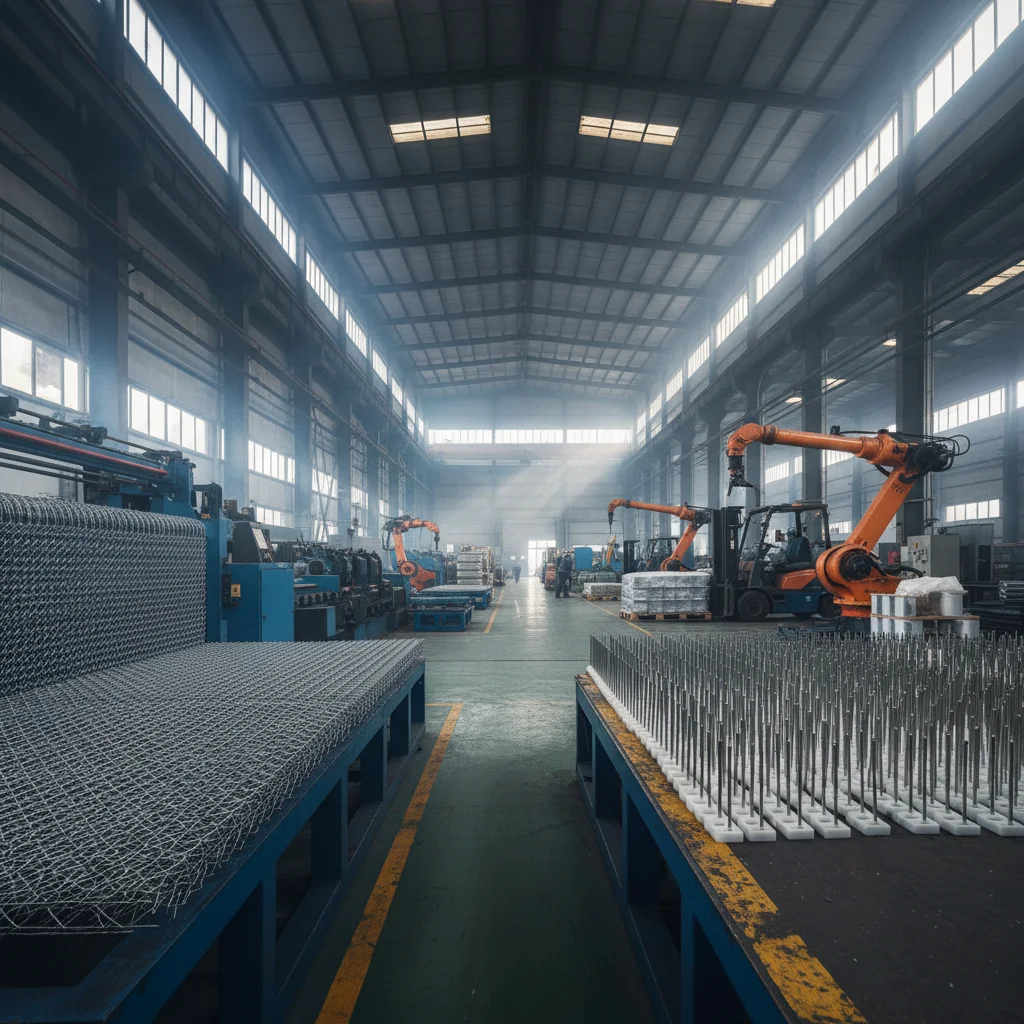
We primarily work with galvanized steel for the frames – it's got that metallic tang, you know? Gets cold in the winter, though. And for the panels themselves, it’s usually a combination of high-density fiber cement and composite materials. The fiber cement smells a bit like chalk when you cut it, and it's surprisingly heavy. You gotta wear a good mask, that stuff gets everywhere. Composite, on the other hand, feels almost… plastic-y. Not necessarily a bad thing, just different. It’s all about finding the right balance.
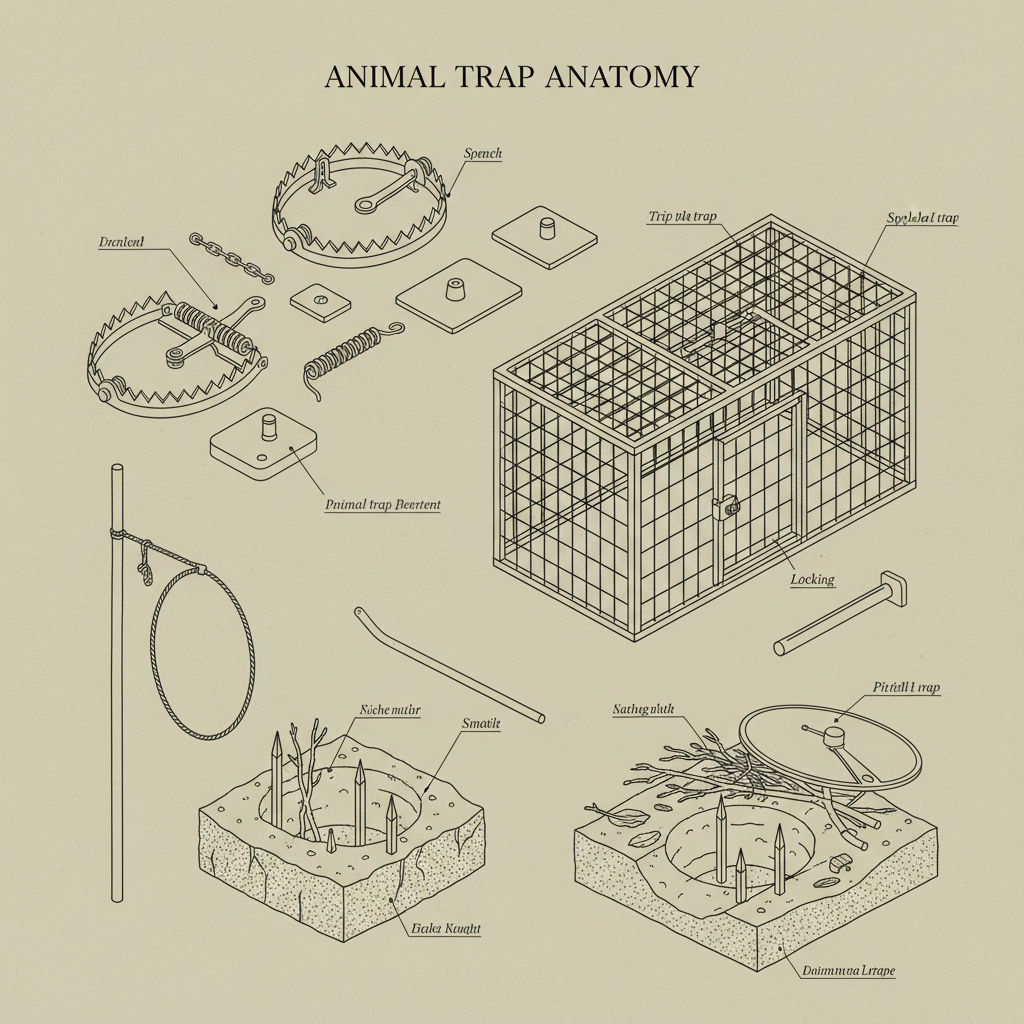
To be honest, everyone’s chasing the same thing: speed of deployment and cost savings. It’s all about getting a functional structure up quickly and without breaking the bank. But there’s a lot of variation in how people approach it. Some are focused on fully modular systems, others on panelized construction, and still others on hybrid approaches. Strangely enough, the demand for more sustainable materials is growing too – everyone’s talking about reducing their carbon footprint.
It's a global market, of course. We’ve got projects in Southeast Asia, the Middle East, and even a few in South America. Each region has its own unique challenges and requirements, from extreme weather conditions to local building codes. It keeps things interesting, that’s for sure.
That’s a tricky one. It really depends on the environment and how well it’s maintained. With proper care, a well-built structure can easily last 20-30 years, but in harsh conditions, it could be less. It’s all about preventing corrosion and ensuring the structural integrity is maintained. We usually recommend annual inspections and regular maintenance to extend the lifespan.
Absolutely. We’ve designed structures that have been successfully used in earthquake-prone areas. The key is to use a flexible frame that can absorb seismic energy, and to ensure that all connections are robust and well-engineered. We also incorporate seismic bracing and anchoring systems to provide additional stability. It requires a lot of careful analysis and design, but it's definitely achievable.
Fire safety is paramount. We use fire-resistant materials wherever possible, and we incorporate fire suppression systems into the design. We also ensure that all electrical wiring meets the relevant safety standards. It’s important to remember that these structures are not inherently fireproof, so it’s crucial to have a fire safety plan in place.
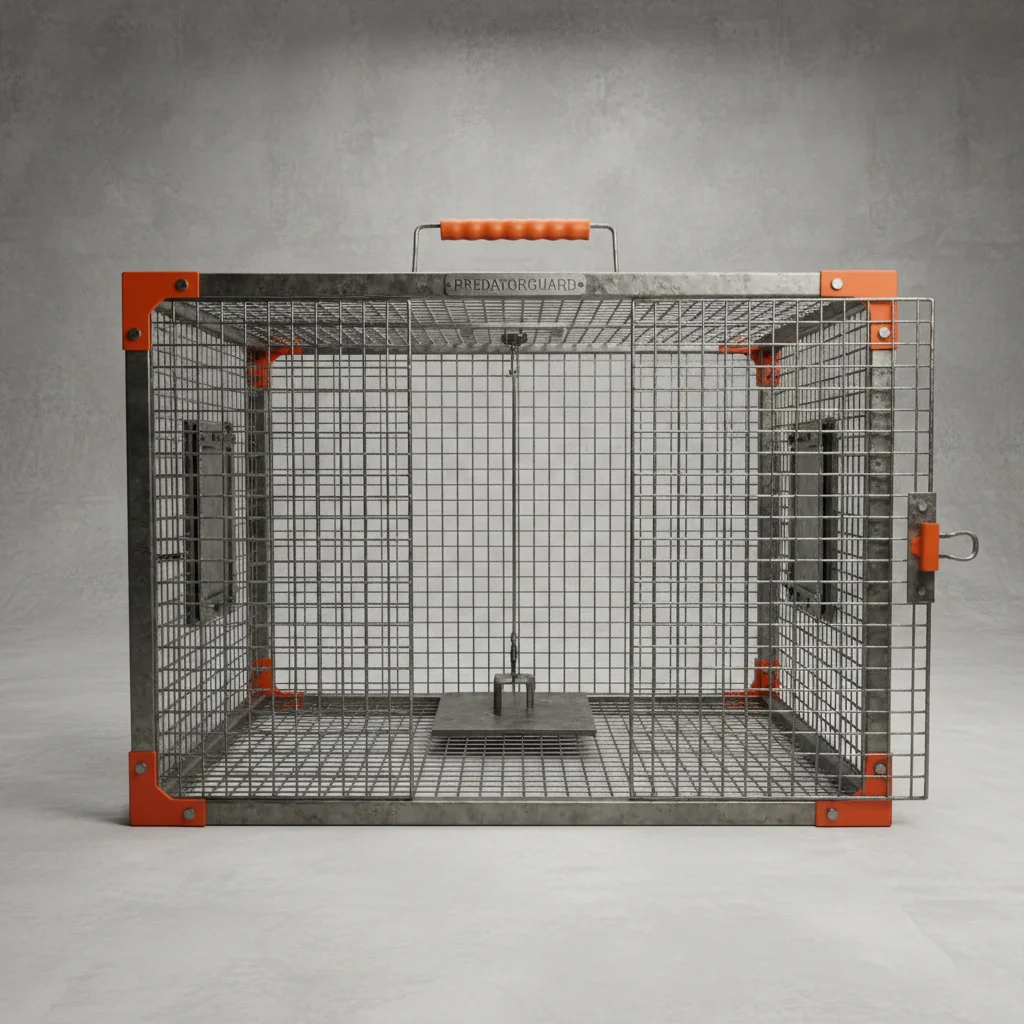
Upfront, the cost can be higher, especially for highly customized structures. However, when you factor in the reduced construction time, lower labor costs, and potential for faster return on investment, the overall cost can be comparable, or even lower, than traditional construction. It’s a complex equation, but in many cases, types of animal traps can be a more cost-effective solution.
That’s one of the biggest advantages. Yes, most types of animal traps structures can be disassembled and relocated relatively easily. However, it’s not a simple process. You need specialized equipment and skilled labor to do it safely and efficiently. And it’s important to factor in the cost of transportation and reassembly.
That depends on the soil conditions and the intended use of the structure. For temporary structures, a simple gravel pad may be sufficient. For more permanent installations, you’ll need a concrete foundation. We always recommend a thorough site assessment to determine the appropriate foundation type. You can’t just slap it down anywhere, you know?
Ultimately, types of animal traps offer a compelling alternative to traditional construction methods. They’re faster, more efficient, and often more cost-effective. But it’s not a silver bullet. They require careful planning, meticulous execution, and a thorough understanding of the challenges involved.
The future, I think, lies in combining the best aspects of prefabricated and traditional construction. More automation, smarter materials, and a greater focus on sustainability. But regardless of the technological advancements, one thing will always remain true: ultimately, whether this thing works or not, the worker will know the moment he tightens the screw.