09 March 2026
Gardening is a rewarding hobby, but it can be tough on your knees and back. A garden kneeler with seat offers a comfortable and convenient solution, providing support while you work and a place to rest. This article will explore the benefits of using a garden kneeler with seat, different types available, key features to consider, and how to choose the best one for your needs. Investing in the right kneeler can significantly enhance your gardening experience and protect your body from strain.
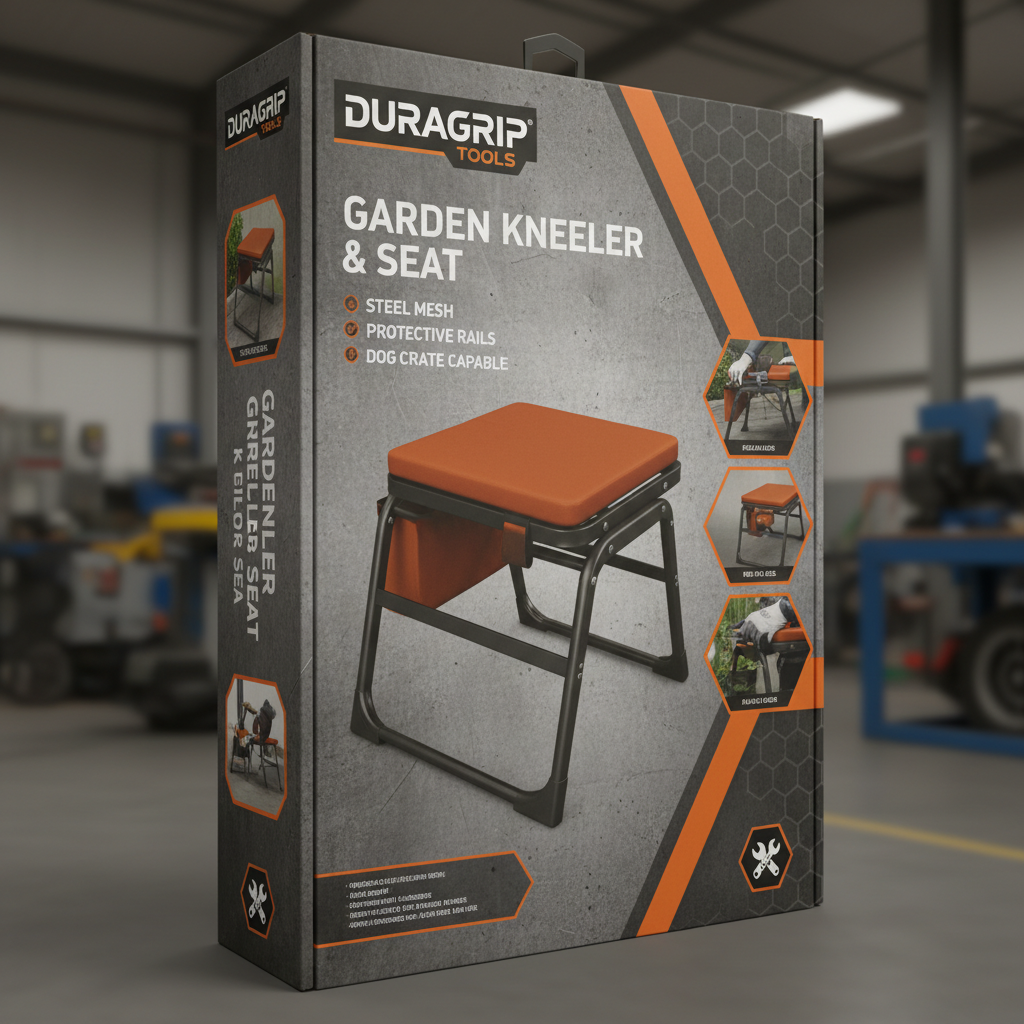
Spending hours kneeling in the garden can lead to discomfort, knee pain, and even long-term joint problems. A garden kneeler provides a cushioned surface to protect your knees. The added seat function provides a convenient resting spot when you need a break. Beyond comfort, these kneelers promote better posture and reduce strain on your back. They are particularly beneficial for individuals with arthritis, back pain, or other mobility issues. A garden kneeler with seat isn't just a convenience; it's an investment in your health and well-being.
Key Benefits: Reduced knee and back pain, improved posture, increased comfort, convenient resting spot, suitable for all gardening levels.
Garden kneelers with seats come in various designs, each with its own advantages. Some common types include:
Choosing the right type depends on your individual needs, gardening style, and storage constraints.
Choosing the Right Type
• Consider your weight and the types of gardening tasks you'll be performing.
• Think about storage space and portability.
• Adjustable height options are great for users of varying heights.
When selecting a garden kneeler, consider these essential features:
Prioritizing these features will help you find a kneeler that provides maximum comfort, support, and durability.
To ensure your garden kneeler with seat lasts for years, proper care is essential. Clean it regularly with mild soap and water, especially after use in muddy conditions. Store it indoors or in a dry place to prevent rust and damage from the elements. Periodically inspect the frame and cushioning for wear and tear, replacing parts as needed. Following these simple maintenance tips will extend the life of your kneeler and keep it in optimal condition.
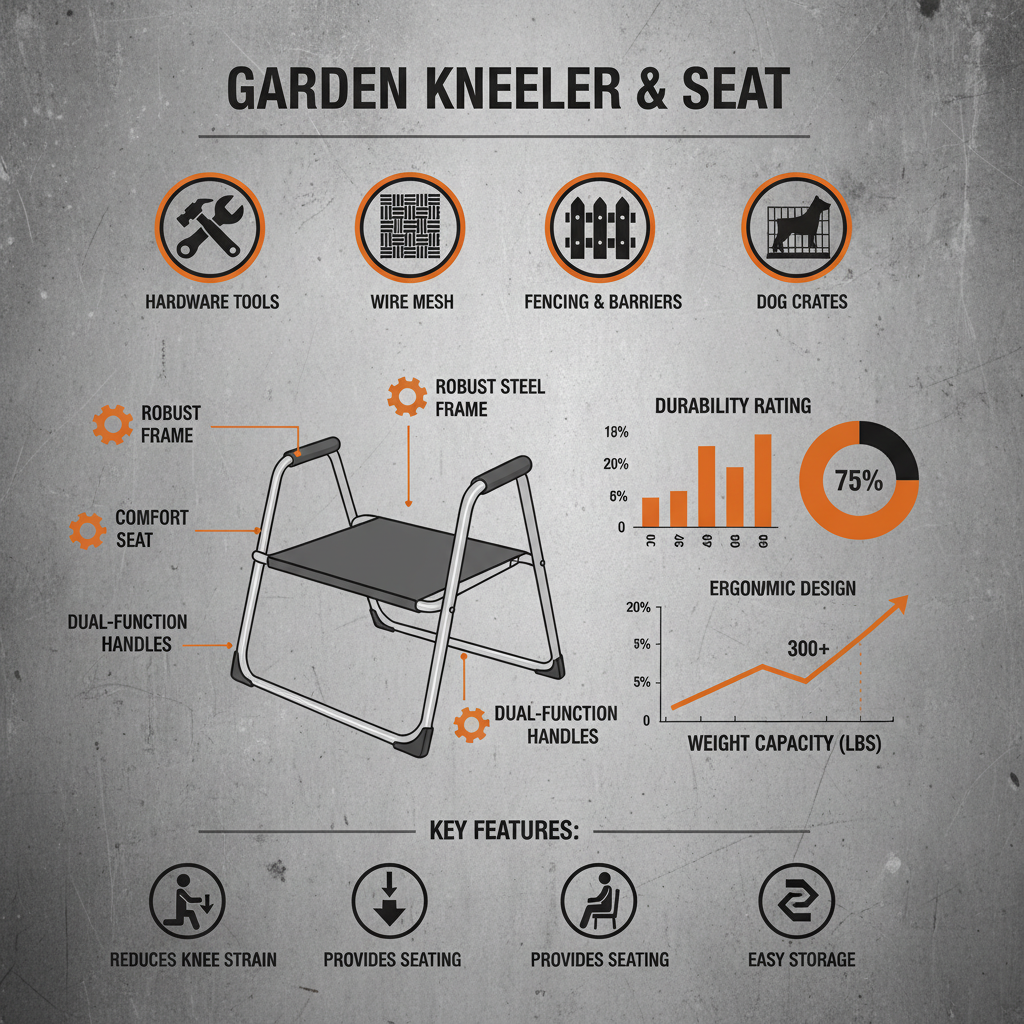
A garden kneeler with seat is a worthwhile investment for any gardener. By providing support, comfort, and convenience, it allows you to spend more time enjoying your hobby and less time suffering from aches and pains. Choose a kneeler that suits your needs and preferences, and enjoy a more comfortable and rewarding gardening experience.
Regular cleaning is important to maintain your garden kneeler. Simply wipe it down with a damp cloth and mild soap after each use. For stubborn dirt, you can use a soft brush. Avoid using harsh chemicals or abrasive cleaners, as these can damage the materials. Allow the kneeler to air dry completely before storing it. If the cushioning is removable, you can wash it separately according to the manufacturer's instructions.
Yes, garden kneelers are versatile and can be used in various garden types, from small flower beds to large vegetable gardens. However, consider the terrain. If you have a very uneven or rocky garden, a kneeler with larger, more stable feet will be more suitable. For smoother surfaces, a lighter-weight kneeler will suffice. Also, consider the space available for maneuvering. A foldable kneeler is a good option for small gardens.
Proper storage will help extend the life of your garden kneeler. Store it indoors or in a dry, covered area to protect it from the elements. Avoid leaving it exposed to direct sunlight or extreme temperatures. If you have a foldable kneeler, collapse it for compact storage. Ensure the kneeler is clean and dry before storing it to prevent mold or mildew growth. A garage, shed, or basement are ideal storage locations.
If your kneeler feels unstable, first ensure it is placed on a level surface. Check the feet for any damage or wear. If the feet are uneven or worn, consider replacing them. Also, make sure the kneeler is fully opened and locked into position. If the instability persists, discontinue use and consider a more stable model. Regularly inspect your kneeler for any signs of damage or wear to ensure safe and comfortable use.
Jan 29, 26
Navigating the Landscape of Modern mouse trap suppliers and Construction Challenges
Oct 10, 25
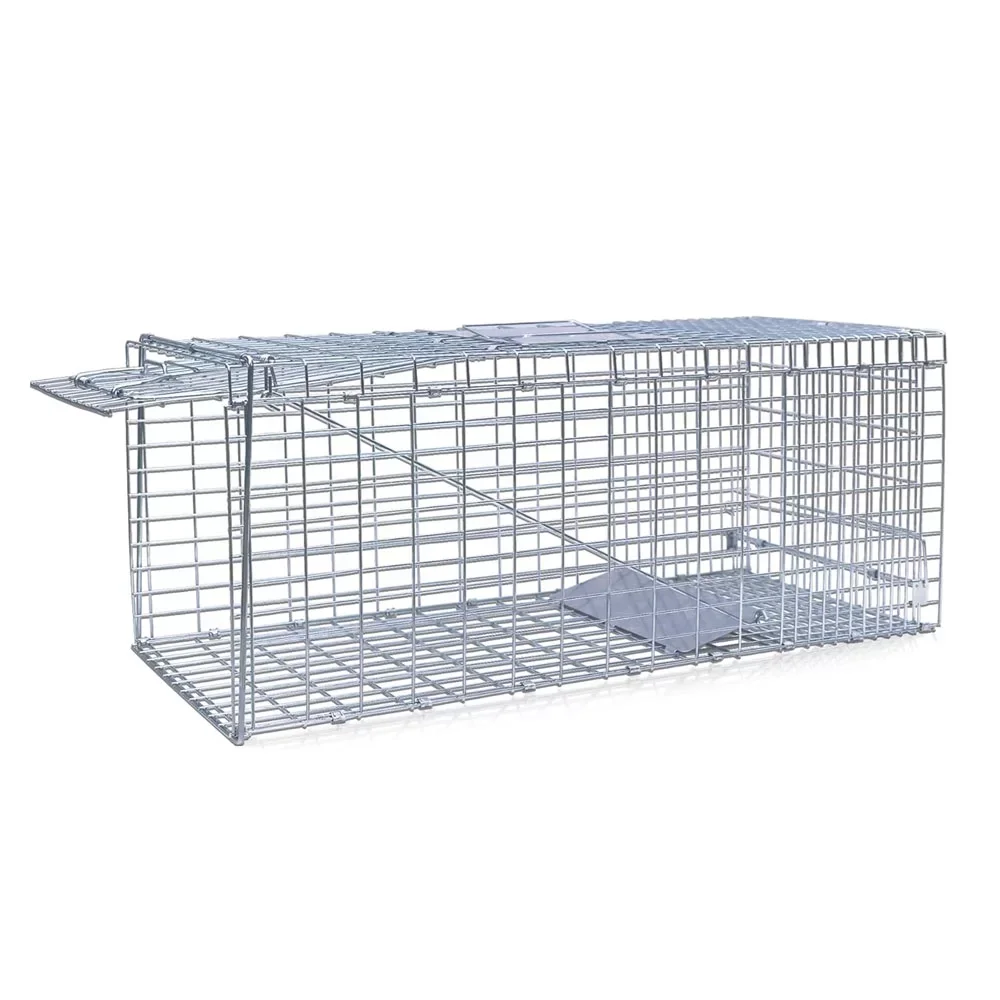
Need Humane Cat Traps? Find the Best Live Animal Cage!
Managing nuisance wildlife humanely is crucial for both animal welfare and effective pest control. Discover the superior design and functionality of our Humane Animal Trap Cage, engineered for safe and efficient capture of various animals, from squirrels to feral cats.

Feb 05, 26
Understanding Animal Traps Design Applications and Ethical Considerations

Dec 05, 25
Yellow Trap Price Explained: Global Importance, Applications & Future Trends