27 November 2025
The quiet hum of a fly or the sudden sight of a fungus gnat hovering over a houseplant can disrupt the peace of any home or garden. Managing small, flying, and crawling insects is a perennial challenge that requires a solution that is both effective and convenient. While chemical sprays offer one avenue, many homeowners and gardeners seek a more targeted, non-toxic, and continuous method of control. This has led to the enduring popularity and innovation of simple yet powerful tools. This article will explore the science and application of the classic sticky trap, the specific utility of fly tape, and the targeted approach of the sticky fly catcher. Understanding how these products work is the first step in reclaiming your space from unwanted pests in a safe and efficient manner.
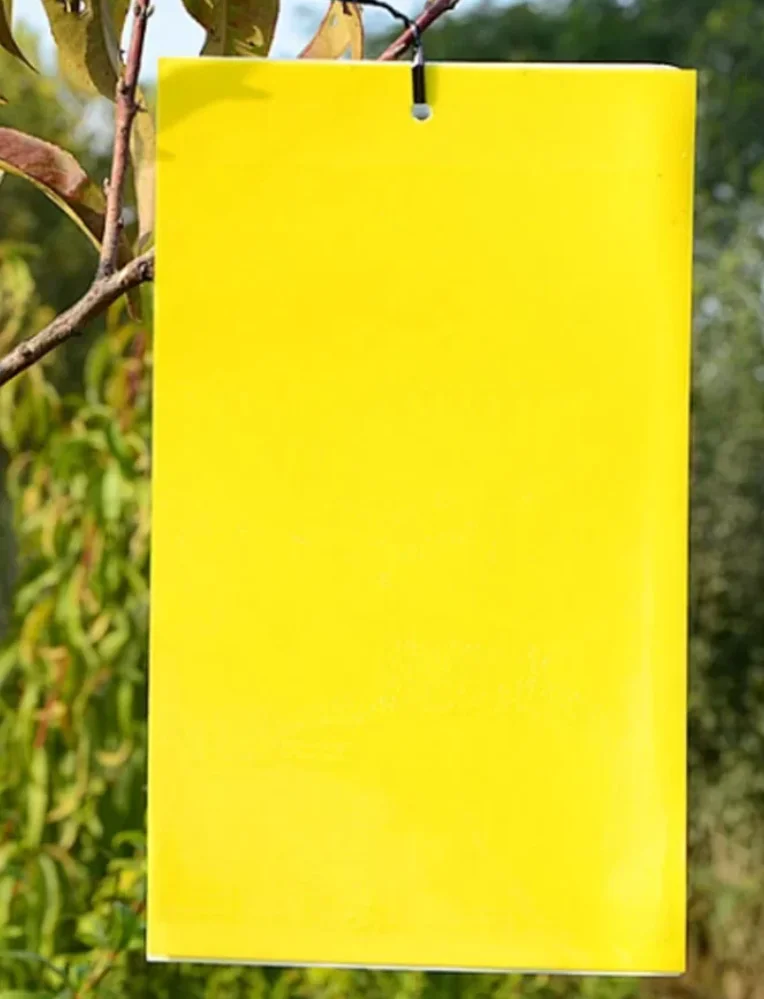
A sticky trap is far more than just a sheet of adhesive; it is a precision tool grounded in the science of insect behavior. Its effectiveness lies in its ability to exploit the natural instincts of pests without the use of poisons or chemicals. Insect Sticky Trap Is A Pest Control Product Designed According To The Tendency Of Pests To A Particular Color. Use Specific Colors To Attract The Corresponding Pests, And Then Rely On The Sticky Surface Of The Trap To Stick The Pests, In Order To Achieve The Purpose Of Pest Control. This principle transforms a simple adhesive surface into a powerful monitoring and control device. The versatility of a basic sticky trap is immense, as it can be deployed in numerous environments to combat a wide array of insects.
l Monitoring Infestations: Placing yellow sticky trap cards near plants helps gardeners identify early signs of whiteflies, aphids, or fungus gnats before a full-blown infestation occurs.
l Controlling Crawling Insects: Flat sticky trap boards placed along walls or in cabinets can effectively capture cockroaches, spiders, and ants.
l Protecting Food Storage Areas: In pantries and storage units, these traps can help manage Indian meal moths and other stored product pests without contaminating food.
l Non-Toxic Indoor Use: For families with children and pets, the sticky trap provides a peace-of-mind solution that works silently and safely 24 hours a day.
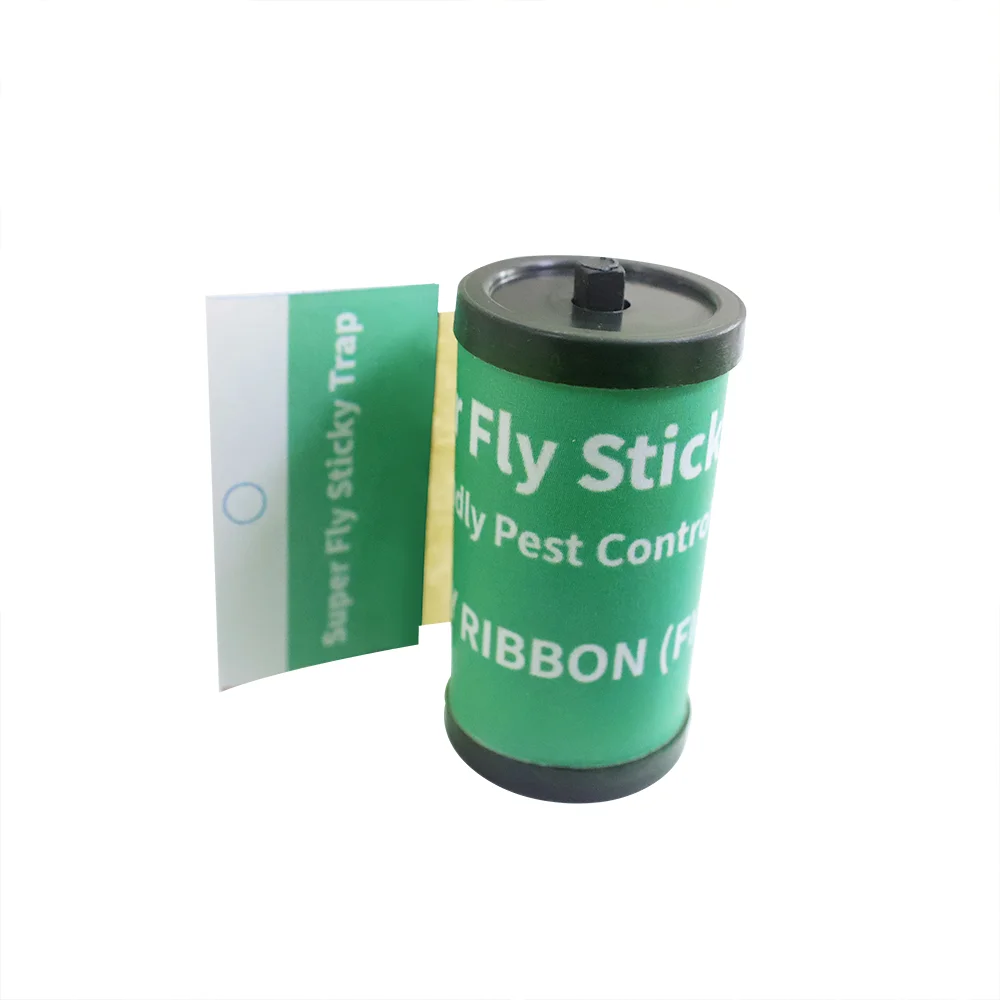
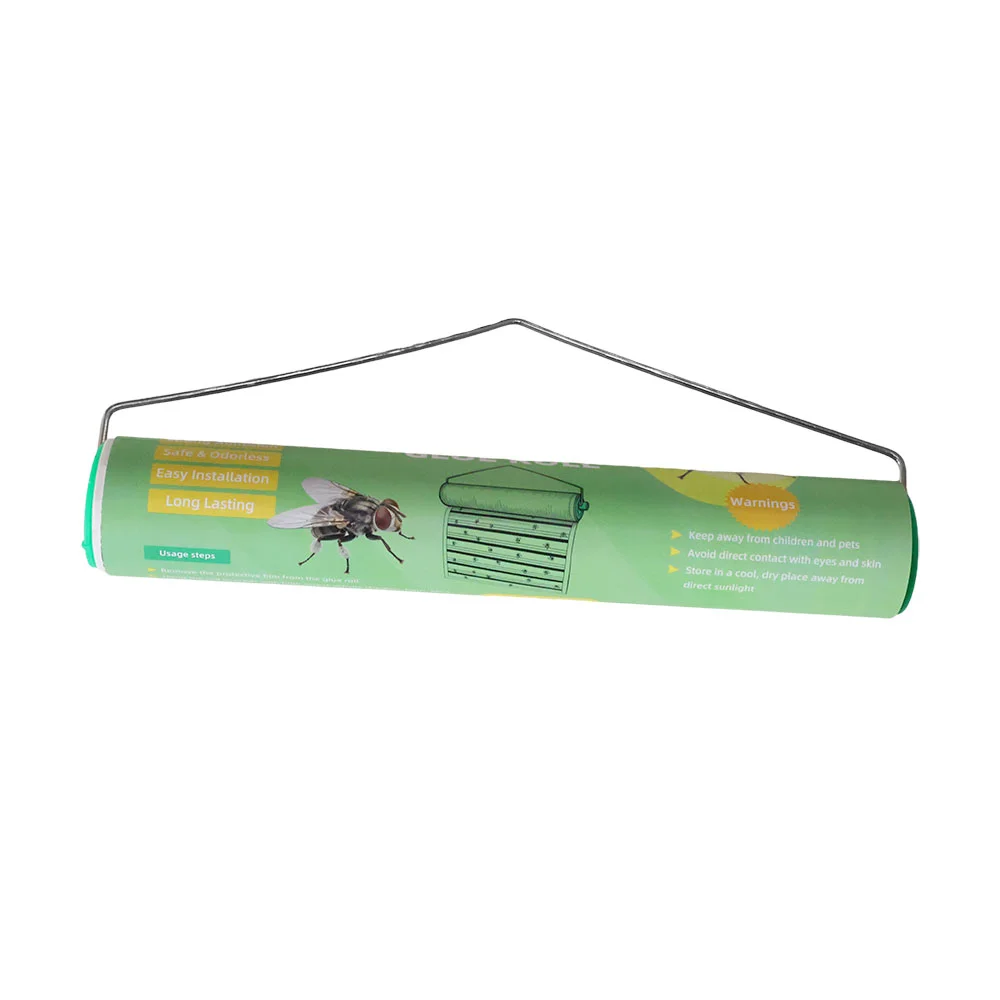
When the primary concern is the control of flying insects like houseflies and fruit flies, fly tape is the specialized tool of choice. Typically coiled or hung in a long strip, fly tape is designed to be suspended in areas where these pests are most active. Its key differentiator from a standard sticky trap is its format and placement strategy; it creates a barrier in the flight path of insects. The effectiveness of fly tape is enhanced by its combination of a powerful, non-drying adhesive and often an added attractant scent that lures flies from a distance. Once they investigate, they become permanently stuck, reducing the population over time. This makes fly tape particularly useful in locations like kitchens, near garbage bins, and in garages where flying insects congregate.
For the discerning gardener, a sticky fly catcher represents a more targeted and often more aesthetically considered form of pest control. These are frequently bright yellow or blue cards stakes that can be inserted directly into the soil of potted plants or garden beds. The color is not arbitrary; it is the core of its targeted action. A yellow sticky fly catcher is highly attractive to whiteflies, aphids, and fungus gnats, while a blue one is specifically designed to lure and capture thrips. By using these color-specific traps, gardeners can address a specific pest problem without impacting beneficial insects that are not attracted to those colors. This targeted approach makes the sticky fly catcher an essential component of any Integrated Pest Management (IPM) strategy.
To achieve the best results, a strategic approach to using these products is essential. Random placement will yield limited success, while a thoughtful plan can provide comprehensive control. Integrating the broad coverage of fly tape with the targeted action of a sticky fly catcher and the monitoring capability of a standard sticky trap creates a multi-layered defense.
A strategic implementation plan involves:
l Identification: Correctly identify the pest species to choose the right color and type of trap.
l Placement: Position fly tape in open areas where flies hover, and place color-specific sticky fly catcher stakes directly at the source of the problem, such as in plant pots.
l Monitoring: Use flat sticky trap cards in cabinets and along baseboards to monitor for crawling insects and identify new problem areas.
l Maintenance: Replace traps once they are full or when the adhesive surface becomes dusty and less effective, ensuring continuous protection.
The primary advantage of a sticky trap is that it provides continuous, non-toxic control without the risks associated with chemical pesticides, making it safe for use around children, pets, and food.
The most effective place to hang fly tape is in areas where flying insects are most prevalent, such as near doorways, above kitchen sinks, close to trash cans, or in the center of a room where they tend to congregate, ensuring it is away from windows and drafts that could hinder attractants.
The color of a sticky fly catcher is scientifically selected to mimic the wavelengths of light reflected by plants that certain pests are naturally drawn to, making the trap an irresistible target for them while being uninteresting to many beneficial insects.
While the adhesive on a sticky trap is non-toxic, it is very strong. For safety, place the trap in locations where your pets cannot access it, such as on high shelves or behind furniture, to prevent them from getting stuck to it.
Most standard sticky fly catcher products are designed for dry conditions. Exposure to rain or direct watering will degrade the adhesive. For outdoor use, they should be placed under eaves, on covered patios, or in greenhouses where they are protected from direct water.
We invite you to experience the difference that scientifically-informed pest control can make. At Hebei Archerfish Network Technology Co., Ltd, we are dedicated to providing intelligent, effective, and safe solutions that leverage a deep understanding of pest behavior. Our commitment to research and quality ensures that you receive not just a product, but a reliable partner in maintaining a pest-free environment. Do not let insects compromise your comfort and peace of mind. Visit our company to explore our full range of innovative pest management solutions and discover why Hebei Archerfish Network Technology Co., Ltd is the trusted choice for those who value science, safety, and results.
Feb 10, 26
Comprehensive Guide to Animal Trap Cages for Effective Wildlife Management
Jan 26, 26
Robust Enclosure Solutions from a Leading Mouse Trap Company

Feb 05, 26
Understanding Animal Traps Design Applications and Ethical Considerations
Mar 11, 26
The HB Archerfish 2 in 1 Garden Folding Seat and Kneeler for Comfortable Gardening