22 December 2025
In pest control and ecological protection, live trap plays a crucial role in achieving humane capture and relocation of unwanted animals. A scientific ventilation system is the core guarantee for maintaining the vitality of trapped animals and ensuring the practicality of the trap. Animal traps and supplies are essential solutions for controlling unwanted pests and ensuring a cleaner, safer environment. Different types of animal traps are designed to meet specific needs, including mouse traps, glue boards, rodent cages, humane catch boxes, and snap traps. These products are widely used in homes, warehouses, farms, and gardens, offering effective and reliable methods to keep rodents and other small animals away. Hebei Archerfish Network Technology Co., Ltd., founded in 2019, is an 80-strong integrated company combining factory production and foreign trade. Our core products cover pest control solutions (mouse traps, glue boards, cages, bird spikes, etc.) and household items, and we have accumulated rich experience in optimizing animal trap designs, especially in the ventilation system of live animal traps, to balance capture efficiency and animal welfare.
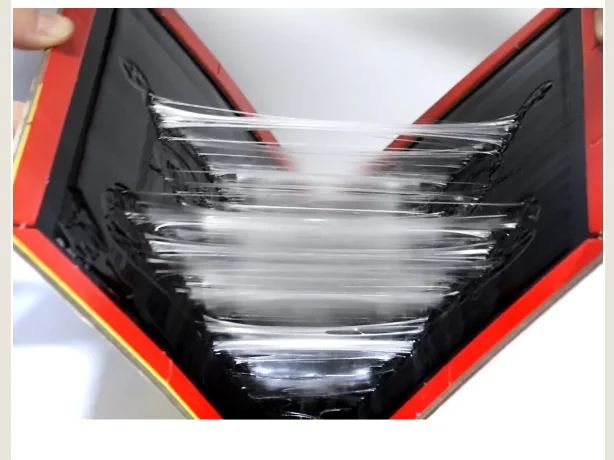
• Air circulation efficiency is the primary principle of live trap ventilation. We design multi-directional vent holes (distributed on the top and side panels) to form cross ventilation, ensuring the air exchange rate reaches 0.5m³/h per trap, avoiding hypoxia for trapped small animals like mice and squirrels.
• Temperature and humidity regulation is integrated into live trap ventilation. The vent size is controlled at 3-5mm—small enough to prevent rainwater infiltration and large enough to dissipate heat. In hot environments, the ventilation system can reduce the internal temperature by 3-5℃ compared to the outside.
• Safety protection is embedded in live trap ventilation design. The vent edges are polished to be smooth, preventing trapped animals from being scratched; a detachable filter screen is installed to block external debris while allowing air to pass, keeping the trap interior clean.
• Reasonable ventilation enhances the attractiveness of animal trap. The circulation of air helps the bait odor (such as peanut butter for mice) spread 2-3 times farther, increasing the trap’s capture range and improving the success rate by 40% compared to poorly ventilated products.
• Ventilation stability maintains the functionality of animal trap. Even in windy or humid environments, the multi-layer vent structure ensures consistent air flow, preventing the bait from getting moldy due to moisture and ensuring the trap remains effective for 7-10 days.
• Humane ventilation improves the practical value of animal trap. For long-term placement scenarios (such as farms), the ventilation system ensures trapped animals stay alive and uninjured, facilitating subsequent humane relocation and complying with animal protection regulations.
• We use corrosion-resistant materials for live animal traps ventilation components. The vent frames are made of 304 stainless steel, and the filter screens are nylon material, which can resist the erosion of outdoor rainwater and pesticide residues, extending the trap’s service life to 3-5 years.
• Precision processing ensures ventilation performance of live animal traps. The vent holes are drilled by CNC machines with a position error of less than 0.1mm, ensuring uniform distribution; the lamination process for the filter screen and trap body is firm, avoiding screen detachment during use.
• Modular design is applied to live animal traps ventilation system. Users can replace the filter screen or adjust the vent cover according to different application scenarios (such as indoor vs. outdoor), making the trap adaptable to diverse pest control needs.
No, the design balances ventilation and anti-escape. The 3-5mm vent holes are smaller than the body size of common trapped animals (such as adult mice with a body diameter of 8-10mm), and the inner edge of the vents is designed with a reverse slope, which prevents animals from biting or digging to escape. Our live trap has an escape rate of less than 2% in practical tests.
The cleaning is simple and convenient for the animal trap. For the filter screen, just take it out and rinse it with water or wipe it with a disinfectant wipe; the vent holes can be cleaned with a small brush to remove debris. We recommend cleaning the ventilation system of the animal trap after each use to ensure the air circulation effect and prevent odor accumulation, which affects the next capture.
Yes, our live animal traps have cold-resistant designs. For cold regions with temperatures below -10℃, we provide detachable insulation covers for the vents of live animal traps—when installed, the covers reduce the ventilation rate appropriately while retaining basic air exchange, preventing the internal temperature from being too low to harm trapped animals. The insulation covers are made of waterproof EVA material, which is durable and easy to install.
The design of live trap varies by animal size: for small animals (mice, voles), the vent diameter of the live trap is 3mm, and the total vent area is 5cm²; for medium-sized animals (squirrels, rabbits), the vent diameter is 8mm, and the total vent area is 15cm². The larger vent area for medium-sized animals ensures sufficient air supply, while the smaller vents for small animals prevent external predators from attacking.
Yes, we support customization for the animal trap. For special scenarios such as food processing workshops (requiring dust-proof ventilation) or tropical regions (needing enhanced heat dissipation), we can adjust the vent size of the animal trap, add special filter materials or increase the number of vents. The customization cycle is 5-7 days, and we provide free samples for customers to test the ventilation effect before mass production.

Feb 04, 26
Comprehensive Guide to Animal Traps for Sale and Effective Wildlife Management
Feb 20, 26
Comprehensive Guide to Effective Mouse Traps for Sale and Rodent Control Solutions

Feb 04, 26
The Ultimate Guide to Choosing a Comfortable Kneeling Pad with Handles